Alex Peters · 2 September 2026
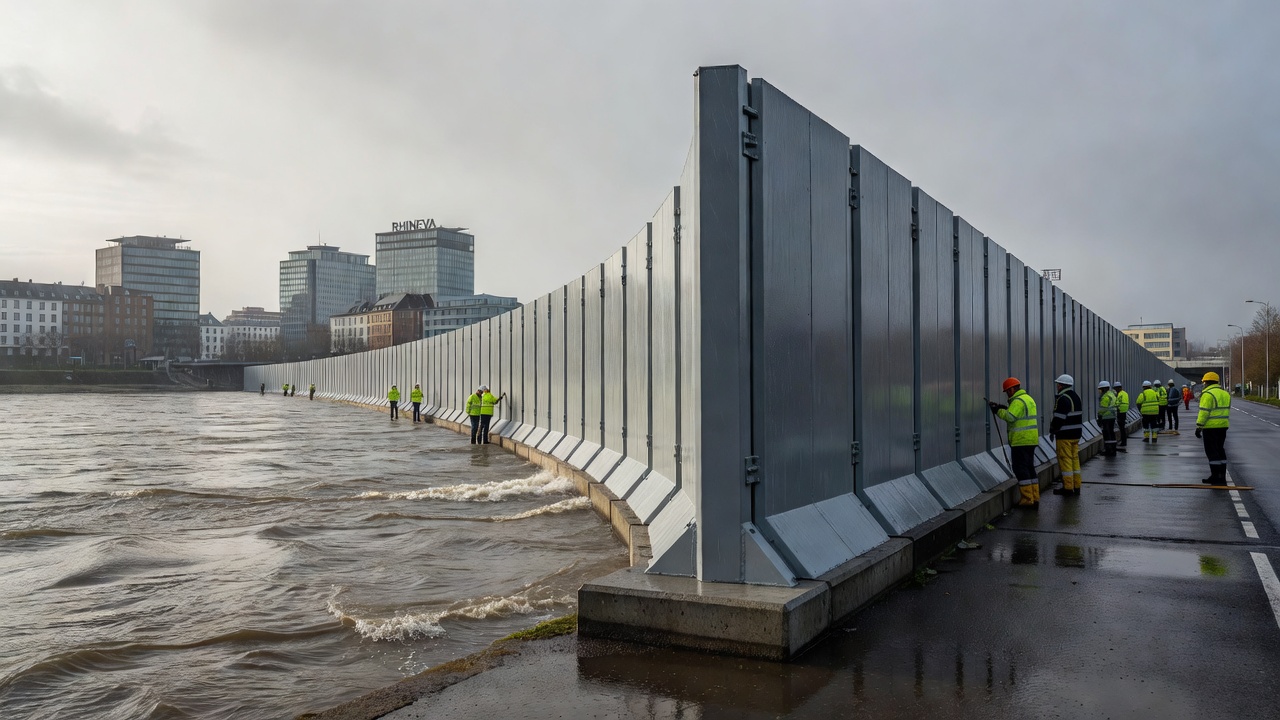
After the recent severe storms that battered the Rhineva River Valley, local authorities have successfully completed the strengthening of flood barriers damaged by the extreme weather. This initiative comes in response to rising concerns over flood risks in the region, which has a history of seasonal flooding affecting both agricultural lands and residential areas. Residents expressed relief as the barriers now offer greater security during heavy rains. Agricultural sectors particularly benefit, as crops in the valley are less likely to be inundated, preserving local economy stability. Studies indicate that without these upgrades, potential damages could have reached millions in repairs and lost productivity. The proactive approach adopted here demonstrates effective disaster preparedness strategies.
Damage Evaluation and Response
The storms brought record rainfall, leading to water levels surpassing previous highs and causing cracks and erosion in the existing barrier system. Teams of engineers and hydrologists conducted thorough inspections across multiple sites, identifying weak points that could lead to catastrophic failures if left unaddressed. In total, over twenty locations showed signs of compromise, with some barriers losing up to thirty percent of their structural integrity. Immediate temporary measures were put in place to stabilize these areas while permanent solutions were developed and implemented over the following weeks.
Community leaders collaborated with environmental agencies to ensure that the repairs did not disrupt local wildlife habitats along the river. Public meetings were held to inform residents about the progress and to gather input on additional safety features desired by the population.
Implementation of Upgrades
The strengthening process involved layering new protective materials, including reinforced steel pilings and advanced waterproof membranes, designed to withstand higher pressures and prolonged submersion. These enhancements are expected to increase the barriers' capacity by forty percent, providing better protection against future storms projected to become more intense due to changing climate patterns.
Funding for the project was secured through emergency relief funds and contributions from international environmental organizations focused on river valley preservation. The work was completed ahead of schedule, thanks to round-the-clock efforts by construction crews.
Looking ahead, authorities plan to integrate smart sensor technology into the barriers for continuous monitoring. This will allow for early detection of any issues and facilitate proactive maintenance. The success of this project serves as a model for other river valleys facing similar challenges, highlighting the importance of investing in infrastructure resilience.