Quinn Neumann · 2 September 2026
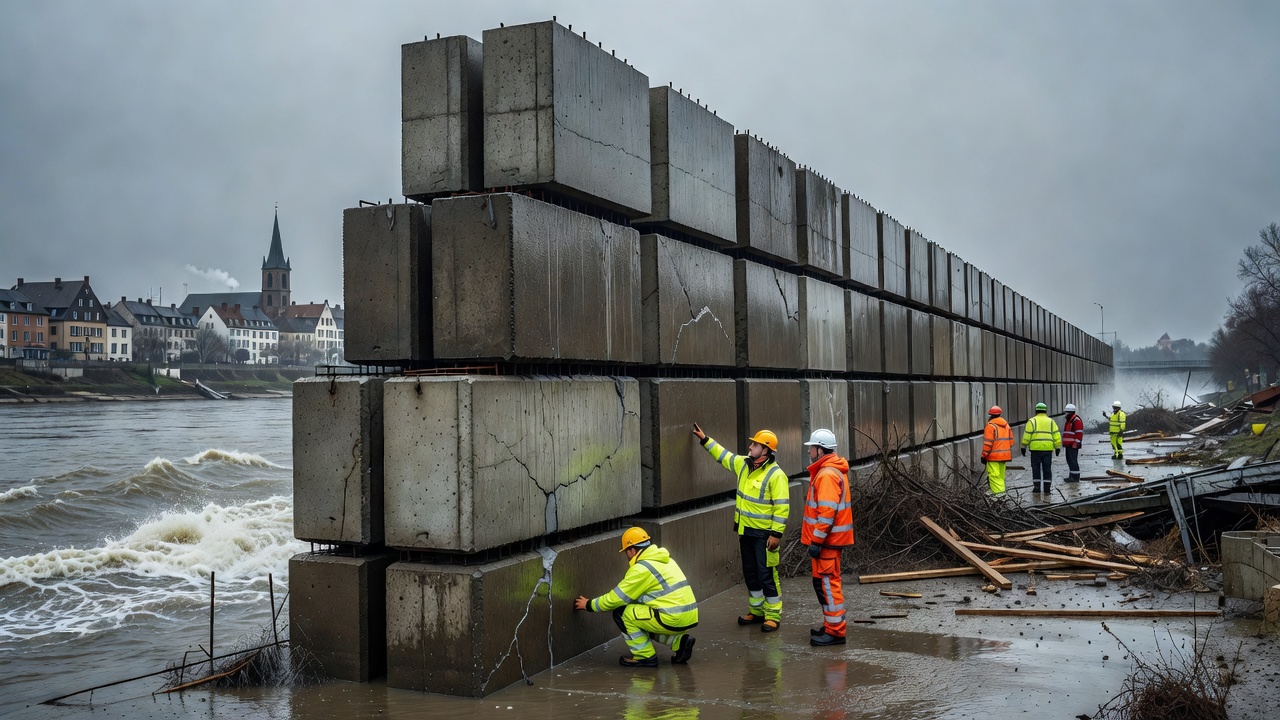
Local authorities in the Rhineva River Valley have completed urgent repairs and upgrades to flood barriers following severe storm damage last month. The work addresses vulnerabilities exposed during heavy rainfall that caused localized flooding in several communities along the river. Officials report that the barriers now meet enhanced safety standards designed to withstand future extreme weather events.
Engineers inspected over 15 kilometers of embankments and identified sections where erosion and structural stress had compromised integrity. Temporary measures prevented further breaches during follow-up rains, but permanent reinforcements were prioritized to protect residential areas and agricultural land. The project involved collaboration between regional water management agencies and environmental consultants.
Damage Assessment
Post-storm evaluations revealed that three key barrier sections sustained the most significant harm, with water levels exceeding design limits by nearly two meters in some locations. Soil saturation led to minor landslides that weakened foundations, while debris accumulation blocked drainage channels. No fatalities occurred, though property damage reached an estimated 2.4 million euros across affected zones. Data from monitoring stations showed peak flows 30 percent above historical averages for the season.
Community feedback highlighted the need for faster response protocols. Residents in low-lying districts noted that early warnings allowed timely evacuations, reducing potential losses. Environmental groups stressed the importance of integrating natural floodplains into future designs to minimize ecological disruption from concrete reinforcements.
Strengthening Efforts
Upgrades included adding geotextile layers, raising crest heights by an average of 80 centimeters, and installing automated sensors for real-time water level tracking. Contractors used locally sourced materials where possible to limit transport emissions. The total cost of the initiative came to 1.8 million euros, funded through a combination of national disaster relief grants and regional budgets. Completion of the main works occurred ahead of the upcoming rainy season.
Authorities plan annual maintenance checks and community drills to ensure preparedness. Long-term strategies also involve reforestation along upstream tributaries to reduce runoff volumes. These measures aim to safeguard the valley's economy, which relies heavily on farming and tourism, against increasingly unpredictable weather patterns driven by climate shifts.